UN Plans to End Cholera and Help Haiti by 2030
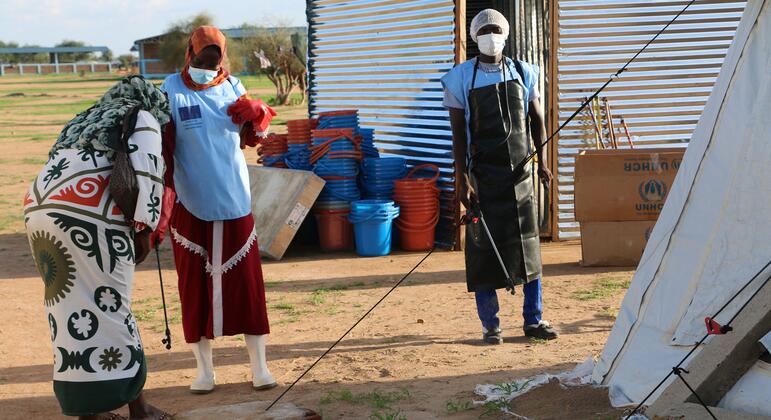
The United Nations says that ending cholera by 2030 is now within reach for the world. At the same time, the UN is focusing on the hunger and displacement crisis currently hurting people in Haiti. These updates come as part of a larger review of global human rights and health goals.
How can the world end cholera by 2030?
Cholera is a very serious disease that spreads through dirty water and poor sanitation. For a long time, it has caused many deaths in places that do not have clean pipes or strong hospitals. The United Nations believes that with the right tools and enough money, this sickness can be stopped forever in the next few years. This would be a massive win for global health because it would save thousands of lives every single year.
To reach this goal, countries must work together to build better water systems and share medicine. When people have clean water to drink and soap to wash their hands, the disease cannot spread as easily. This plan is not just about medicine but also about making sure every person has a safe home. If the world stays on track, the year 2030 could mark the end of a very dark chapter in human history.
What is happening with the Haiti displacement and hunger?
While some news is hopeful, the situation in Haiti remains very difficult for many families. Many people have had to leave their homes because of violence and a lack of safety in their neighborhoods. This is called displacement, and it makes it very hard for parents to find jobs or keep their children safe. When people are forced to move, they often lose access to their farms and local markets where they get food.
Because of this movement, hunger is a growing problem across the country. The UN reports that many people do not have enough to eat on a daily basis. They are working to bring food and supplies to those who need them most. Here are some of the main issues Haiti is facing right now:
- Thousands of families are living in temporary shelters after leaving home.
- Food prices are high and many people cannot afford a basic meal.
- Safety concerns make it hard for aid groups to deliver help.
- Children are missing school because of the instability in the country.
Why is the US human rights review rescheduled?
The United Nations also mentioned that the US human rights review has been moved to a new date. This review is a process where the world looks at how a country treats its people. It covers things like fair trials, the right to vote, and how the police behave. Rescheduling this means the discussion will happen later than people first expected, but it is still a priority for the UN officials.
This kind of review is important because it keeps governments accountable to the rest of the world. It allows other nations to ask questions and suggest ways to make things better for everyone living there. Even though the date changed, the goals of the review stay the same. The UN wants to make sure that human rights are protected in every corner of the globe, from large nations to small islands.
What does this mean for the future of world news?
These stories show that the world is facing both big hopes and big problems at the same time. Ending a disease like cholera would be as historic as the events seen in World War II or other major turning points. It shows that humans can solve problems when they focus on science and helping others. However, the hunger in Haiti reminds us that there is still a lot of work left to do for the poorest people.
Readers should watch for updates on how the UN sends help to Haiti in the coming months. The success of the 2030 goal depends on whether rich countries continue to give money and support to these projects. If the world stays focused, the news in 2030 might be about the first generation of children who never have to worry about cholera again. This would be a major step forward for everyone on the planet.


Comments
Post a Comment